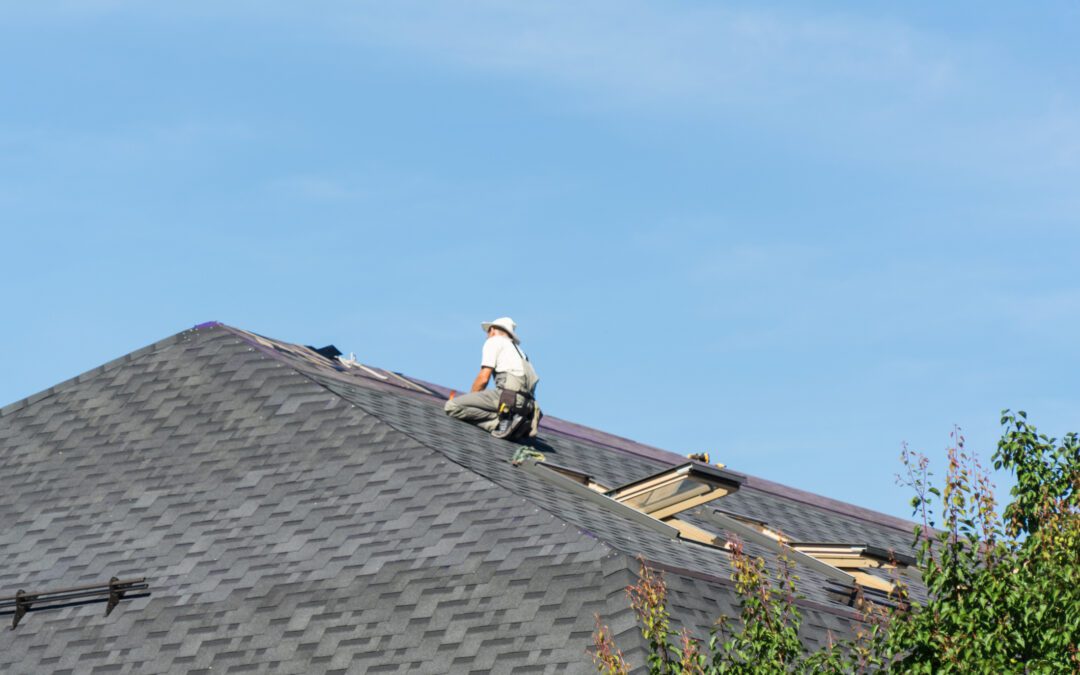
Your facility’s roof takes a beating. Wisconsin winters dump snow and ice. Summer sun bakes the surface. Spring storms test every seam. Over time, even the toughest commercial and industrial roofs show their age.
For facility managers throughout Wisconsin, roof problems create a familiar dilemma: replace the entire roof at massive expense, or find a smarter solution that extends the life of your existing structure.
Roof restoration through professional coating systems offers that smarter path. This guide walks you through everything you need to know about the process, from initial assessment to long-term maintenance.
Understanding the True Cost of Roof Failure
Water damage doesn’t announce itself with fanfare. It starts small—a minor leak near an HVAC unit, a wet spot in the corner of a warehouse. Then it spreads. Insulation loses its effectiveness. Energy bills climb. Metal components corrode. Eventually, interior damage forces your hand.
The financial impact extends beyond repair costs. Production interruptions, inventory damage, and emergency fixes during business hours all chip away at your bottom line. Meanwhile, a deteriorating roof drives up heating and cooling expenses month after month.
Industrial roof restoration addresses these concerns before they escalate into crisis situations.
The Roof Restoration Assessment Process
Professional roof restoration begins with a thorough evaluation. Specialists examine the roof membrane, identify problem areas, check for ponding water, and assess the overall structural integrity. They look for rust on metal roofing, cracks in rubber membranes, and signs of UV damage that compromise the roof’s protective capabilities.
This assessment determines whether your roof qualifies as a restoration candidate. Not every roof does. Severely damaged structures with extensive rot or structural failure require replacement. However, most commercial and industrial roofs with surface-level deterioration prove excellent candidates for coating systems.
The inspection also identifies necessary repairs before coating application. Addressing these issues upfront ensures the coating adheres properly and delivers maximum lifespan.
Power Washing: The Critical Preparation Step
Surface preparation determines coating success. Industrial roofing surfaces accumulate years of dirt, algae, oxidation, and chemical residue. Coating over contaminated surfaces leads to adhesion failure and premature coating breakdown.
Professional power washing removes these contaminants, creating a clean surface for optimal coating adhesion. The process requires expertise—too little pressure leaves residue behind, while excessive pressure can damage the roof membrane itself.
This step takes time but pays dividends. A properly prepared surface allows coating systems to bond effectively, creating a seamless protective barrier that performs as designed.
Commercial Roof Coating Options
Different roof types demand different coating solutions. Understanding your options helps you make informed decisions about your facility’s needs.
Metal Roof Coating Systems
Metal roofs face specific challenges. Thermal expansion and contraction create stress. Rust attacks vulnerable areas. Fasteners and seams become entry points for water.
Metal roof coating systems address these issues with flexible, rust-resistant formulations. These coatings move with the metal as temperatures fluctuate, preventing cracks and maintaining waterproof integrity. They also provide UV protection that prevents further oxidation and extends the roof’s functional life.
Rubber Roof Coating Applications
Rubber membrane roofs—including EPDM, TPO, and PVC systems—require coatings designed for their unique properties. These coatings must adhere to the smooth, sometimes slick surface of rubber membranes while providing flexibility that matches the substrate.
Rubber roof coating systems restore weathered membranes, seal minor cracks, and provide enhanced UV resistance. They create a reflective surface that reduces heat absorption, lowering cooling costs during Wisconsin’s warm months.
The Application Process
Modern spray coating technology has transformed roof restoration. Spray application creates a seamless, monolithic membrane without the weak points inherent in rolled or brushed coatings. The process covers complex roof geometries, wraps around penetrations, and creates uniform thickness across the entire surface.
Application requires specific weather conditions. Temperature, humidity, and forecast all factor into scheduling. Professional applicators monitor conditions closely to ensure proper curing and adhesion.
Multiple coats build up the protective system. Base coats provide adhesion and initial waterproofing. Subsequent layers add thickness and durability. The result is a roof coating system that delivers comprehensive protection against water, heat, UV radiation, and rust.
Waterproofing and Performance Benefits
A properly applied roof coating system transforms your facility’s thermal performance. Reflective coatings reduce surface temperatures by significant margins, decreasing the load on HVAC systems. This translates directly to lower energy consumption and reduced operating costs.
The waterproofing benefits prove equally valuable. Seamless coverage eliminates leak paths. Water runs off efficiently rather than ponding and finding weak spots. Your facility stays dry, protecting equipment, inventory, and operations.
UV protection prevents the degradation that shortens roof life. Rather than breaking down under constant sun exposure, coated roofs maintain their integrity year after year.
Long-Term Maintenance Strategies
Roof restoration isn’t a one-time fix—it’s the beginning of a maintenance program that maximizes your investment. Regular inspections catch minor issues before they become major problems. Annual or bi-annual checkups identify areas needing touch-up, ensure drainage systems function properly, and verify coating integrity.
Keep roof surfaces clear of debris. Leaves, branches, and accumulated dirt hold moisture against the coating and accelerate wear. Simple housekeeping extends coating life substantially.
Document your maintenance activities. Records help track the roof’s condition over time and support warranty claims if issues arise.
Plan for recoating. Most commercial roof coating systems deliver 10-15 years of protection before requiring reapplication. Budgeting for this scheduled maintenance costs far less than emergency roof replacement.
Making the Decision
Industrial roof restoration makes financial sense for facilities with structurally sound roofs showing surface deterioration. The investment typically runs a fraction of replacement costs while delivering comparable lifespan extension.
Consider timing carefully. Addressing roof issues before leaks develop costs less than fixing water damage while also coating the roof. Proactive restoration protects your facility and your budget.
Work with experienced professionals who understand both the technical requirements of coating application and the specific demands of Wisconsin’s climate. Proper application makes the difference between a coating system that performs for years and one that fails prematurely.
Take Action on Your Facility’s Roof
Your roof protects everything inside your facility. Don’t wait for leaks to force expensive emergency decisions.
Schweitzer Spray Coatings, LLC provides commercial and industrial roof coating services throughout Wisconsin, using advanced spray technology to deliver water-resistant, heat-resistant, UV-resistant, and rust-resistant protection. Their comprehensive approach includes both roof coatings and power washing services designed to extend roof life and improve facility efficiency.
Contact them at 262-305-4249 or visit [sspraycoatings.com](https://sspraycoatings.com) to schedule a roof assessment. You can also reach out via email at luke@sspraycoatings.com or connect on [Facebook](https://www.facebook.com/SchweitzerSprayCoatingsLLC).
Get ahead of roof problems before they impact your operations and your budget.