Winter in Wisconsin tests every building system, but few take the beating your roof endures. Freeze-thaw cycles, ice dams, heavy snow loads, and wind-driven moisture create conditions that accelerate deterioration. By the time spring arrives, your commercial or industrial roof may be harboring damage that won’t become obvious until water starts dripping into your facility.
The question isn’t whether winter damaged your roof. It’s how much damage occurred and what you’re going to do about it.
Why Post-Winter Inspections Matter
Most facility managers wait until they spot a leak before addressing roof issues. That approach costs significantly more than preventive maintenance. Water infiltration doesn’t announce itself immediately—it works quietly behind the scenes, compromising insulation, corroding metal decking, and creating conditions for mold growth.
A thorough spring inspection identifies problems while they’re still manageable. Small cracks in coating systems, loose seams, or areas where water pools can be addressed before they become structural concerns. This proactive approach extends roof life and protects the substantial investment your organization has made in its facilities.
What to Look for During Spring Assessments
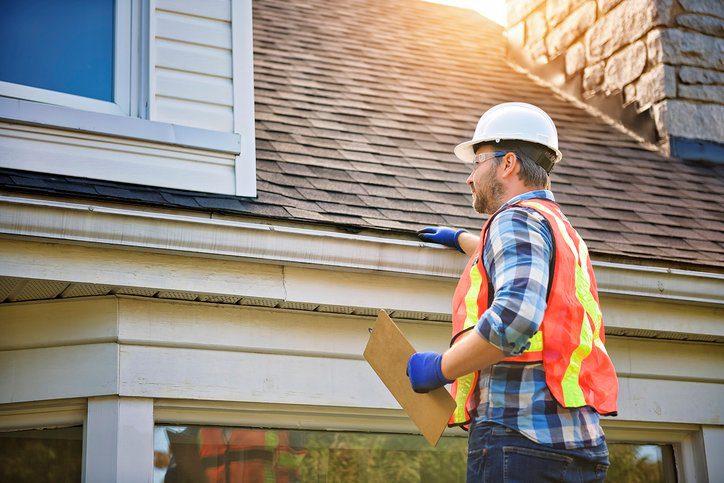
Start by walking your roof (if it’s safe to do so) or arranging for a professional inspection. Look for standing water that persists more than 48 hours after rainfall. Ponding water accelerates membrane breakdown and creates stress on structural components.
Check all penetrations—HVAC units, vents, skylights—for signs of separation or damaged flashing. These transition points are where most leaks originate. Examine seams on rubber roof systems and look for rust spots on metal roofing that indicate protective coatings have worn through.
Don’t overlook the debris. Winter leaves behind an accumulation of leaves, branches, and dirt that traps moisture against your roof surface. This organic material breaks down and creates acidic conditions that eat away at protective layers.
The Role of Professional Power Washing
Before any coating or repair work begins, your roof needs a clean surface. Power washing removes the winter accumulation of contaminants, algae, and debris that interfere with proper adhesion of coating systems. This step isn’t optional—it’s foundational to any restoration work.
Professional power washing does more than clean. It reveals the true condition of your roof surface, exposing areas of deterioration that might be hidden under dirt and organic growth. For facility managers in West Bend and throughout Wisconsin, this service prepares commercial and industrial roofs for the next critical step in the maintenance cycle.
When Roof Coating Makes Sense
If your inspection reveals widespread wear but the underlying structure remains sound, roof coating offers a cost-effective alternative to replacement. Modern spray coating technology creates seamless, waterproof barriers that protect against moisture, UV radiation, and temperature extremes.
Metal roof coating prevents rust and extends the service life of steel and aluminum roofing systems. Rubber roof coating restores flexibility to aging membranes and seals minor imperfections. These applications work best when performed during moderate spring temperatures, before summer heat creates application challenges.
Schweitzer Spray Coatings, LLC specializes in commercial roof coating and industrial roof coating services that address the specific challenges Wisconsin weather creates. Their spray coating approach ensures uniform coverage and creates the heat-resistant, UV-resistant, and rust-resistant protection that commercial buildings require.
Creating a Maintenance Schedule
Spring inspections should become part of your annual facility management routine. Schedule them early in the season, ideally in April or May when weather conditions are stable enough for thorough assessment but before the summer storm season begins.
Document what you find. Photograph problem areas and track how they change over time. This record helps you make informed decisions about when to schedule coating services versus when full replacement becomes necessary. Most commercial roofing systems benefit from recoating every 5-10 years, depending on exposure and building use.
The Cost of Waiting
Delaying roof maintenance doesn’t save money—it just transfers costs to the future with interest. A small repair that costs hundreds today becomes a structural issue costing thousands tomorrow. Water damage to interior finishes, equipment, and inventory adds expenses that far exceed roofing costs.
Insurance complications add another layer of concern. Many commercial policies require documented maintenance programs. Neglecting routine inspections and preventive work can jeopardize coverage when you need it most.
Taking Action
Property managers and building owners throughout Wisconsin face similar challenges every spring. The facilities that weather these cycles best are those with proactive maintenance programs and relationships with qualified contractors who understand local conditions.
If your commercial or industrial facility needs post-winter assessment, power washing, or roof restoration services, contact Schweitzer Spray Coatings, LLC at 262-305-4249 or visit sspraycoatings.com. Their team brings specialized expertise in spray coating technology that protects roofs and extends their functional life.
Don’t wait for leaks to force your hand. Spring maintenance protects your investment and prevents the cascading problems that water infiltration creates. Your roof took a beating this winter—give it the attention it needs now, while repairs are still straightforward and affordable.